4 hours ago
Robbie Williams Recalls Depression and Vodka Binge During Take That Heyday in New Netflix Docuseries
READ TIME: 3 MIN.
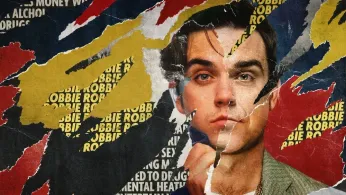
Robbie Williams, former Take That member and solo superstar, has shared harrowing details of his depression during the band's 1990s peak, confessing to drowning his sorrows in a bottle of vodka nightly. "I’d go back to the hotel and drown my sorrows in a bottle of vodka, get completely wasted to forget everything, I was gone, both physically and mentally," Williams stated in Take That's new Netflix docuseries. The four-part series, directed by David Soutar, premiered on Netflix to commemorate the group's 35 years since formation in 1990.
Take That, consisting of Gary Barlow, Howard Donald, Mark Owen, Jason Orange, and Williams, achieved massive success with hits like "Back for Good" before internal strife led to Williams' departure in July 1995, just weeks before a major tour. The band dissolved six months later, plunging remaining members into personal lows. Gary Barlow, often called Gaz, admitted feeling ashamed for not noticing the group's unraveling: “I’ve always felt a bit ashamed for not noticing that everything was falling apart. Nobody looked around to see how everyone was doing.” Mark Owen and Howard Donald echoed this, confirming they avoided discussions about feelings.
Williams linked his exit to addictions and a mismatched attitude for boy band life, as detailed in his 2023 Netflix documentary. Post-breakup, Barlow faced eating disorders and lost his record deal amid rivalry with Williams, who outsold him as a solo artist. "I ended up hating Robbie, just jealous of his success," Howard Donald recalled, noting Williams' media jabs exacerbated tensions. Barlow reflected, “Robbie took advantage of the media attention and gave the press something to talk about. That’s when he started to hurt me.”
A pivotal reunion occurred in September 2009 during Mark Owen's bachelor party in New York, where the five members confronted grudges in a studio session. Barlow expressed guilt: “I never would have imagined that the most insecure and sensitive person in the group was Robbie. And I feel incredibly guilty for not realizing it sooner.” This led to a collaborative album and tour with Williams rejoining.
The docuseries underscores the 1990s music industry's stigma around mental health, where depression, anxiety, and addiction went unspoken, particularly in high-pressure boy bands. Williams reiterated similar struggles in recent interviews, including a 2023 admission of using weight-loss injections like Ozempic due to self-loathing tied to body image and past depression. "I was so depressed," he said, echoing his hotel room binges.
Earlier accounts align, with Williams telling Marca in 2024 about becoming an alcoholic and drug addict by age 21, owing 300,000 pounds after leaving Take That with 1.2 million pounds initially, only to face lawsuits. Cocaine numbed his pain: "The truth is that I didn't feel anything because I was consuming a lot of cocaine and cocaine anesthetizes you." He also recalled severe stage fright and panic attacks before solo shows, once nearly canceling a concert for 60,000 fans.
While no direct LGBTQ+ community responses to the docuseries appear in coverage, Williams' story resonates in affirming spaces advocating for men discussing mental health—a conversation historically vital for transgender people and others in the community facing compounded stigma. The series contributes to broader destigmatization, encouraging person-first language like "people experiencing depression" over judgmental labels. Take That's narrative of vulnerability and reconciliation models healing for artists and fans alike.